
Women Artists and the Land
Friday August 21,
6-8pm
A discussion between Ben Tufnell, Amanda Geitner and Veronica Sekules
and featuring a special guest appearance by exhibiting artist Harriet Hellman
This evening in August we are aiming to have a wide-ranging discussion about the role of women artists working with and from the land. Following from their recent appearance talking about Land Art in general, at Holt bookshop, two of the most engaging and well informed experts and writers in this field are coming to continue to talk with us from a different perspective
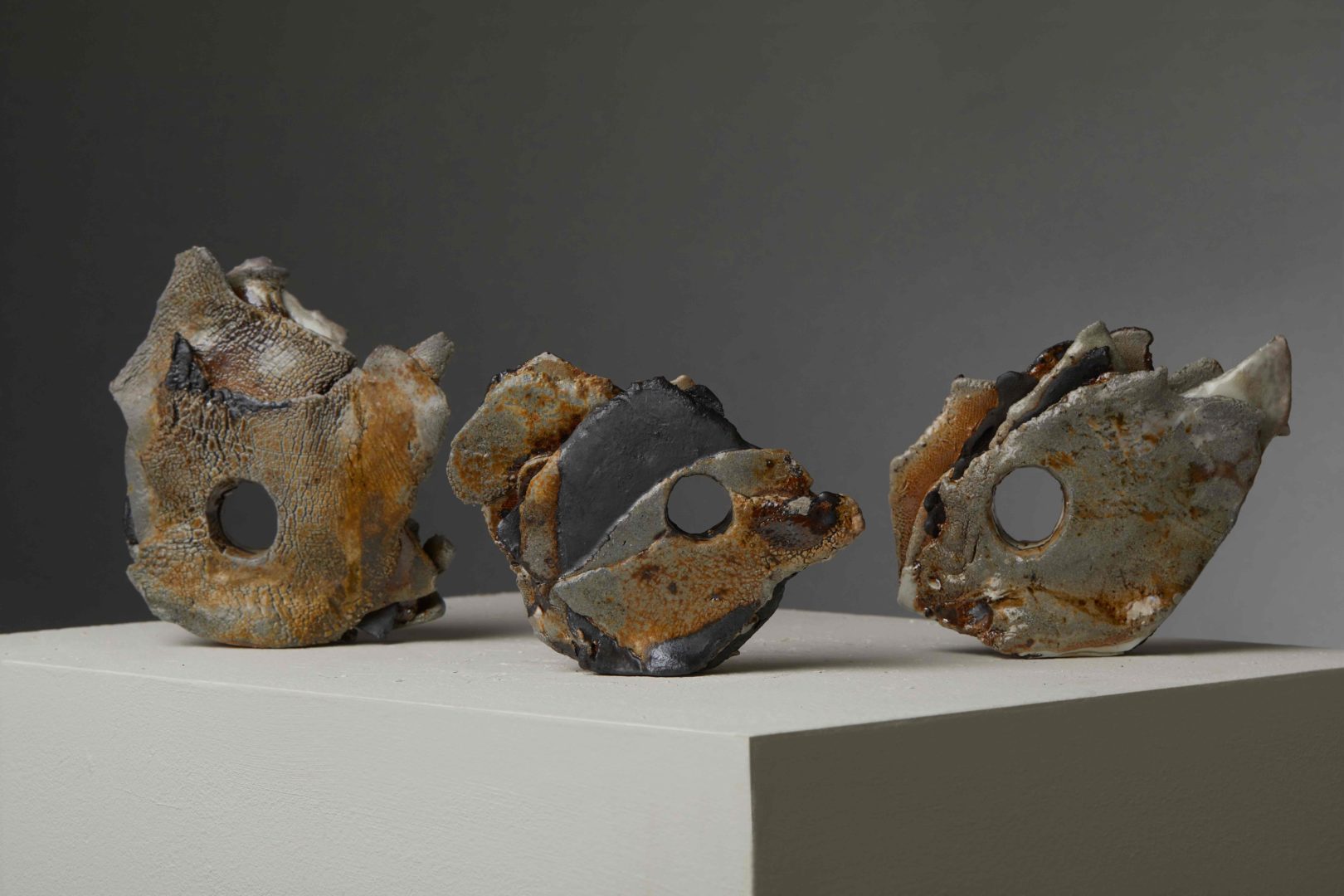
Cover image: Restless Earth, ceramic by Harriet Hellman
Book Tickets
Tickets are £10 each or *** 2 for £15 ***
Free for GroundWork NetWork Associates
Drinks included
Land Art
Since the late 1960s, land art has occupied an important place in the history of contemporary art. The movement transformed ideas about where sculpture could exist, shifting artistic practice beyond the gallery into deserts, coastlines, quarries and open landscapes. Its best-known history, however, has largely been shaped by a relatively small number of artists, mainly American, whose ambitious interventions became iconic works of twentieth-century art, Artworks such as Robert Smithson’s Spiral Jetty, 1970; Walter de Maria’s Lightning Field, 1977; Agnes Denes’s Wheatfield, NY, 1982, helped to change our understanding.
Yet this is not the only history of land art.
At the gallery we have Richard Long’s Great Ouse River Drawing, 2016 as a permanent work of art, opposite the entrance. He is often considered as an English exponent of land art, but dislikes the term Indeed, his work, this one in particular and the more recent mud painting at the the National Gallery, is part of another, quieter story. It is one in which artists have worked with the land rather than upon it, entering into a dialogue with place and materials. Natural processes become collaborators rather than obstacles. Change, weather and impermanence are welcomed as part of the work itself.
Women artists and the land
Over the past ten years, it has become increasingly clear to me that many women artists have made a particularly significant contribution to this expanded understanding of land art. So, as GroundWork Gallery celebrates its tenth anniversary, it seems an appropriate moment to reflect on one of the most striking aspects of its exhibition programme. Looking back over the past decade, at least half of the artists we have shown have been women. This was never the result of a conscious policy. Rather, it emerged naturally from seeking out artists whose work was extending our understanding of what art made with and from the land might be.
The exhibition Women Artists and the Land has grown from that realisation.
GroundWork’s current exhibition brings together three artists whose practices differ greatly in appearance but share a remarkable sensibility. Julie Brook, Harriet Hellman and Lotte Scott work with stone, clay, fire, charcoal, lime and light, yet none treats these materials as inert matter. Each recognises that the land possesses its own agency and history. Their works emerge through careful observation, physical labour and a profound respect for the environments in which they are made.
Veronica Sekules
The Speakers
Dr Amanda Geitner
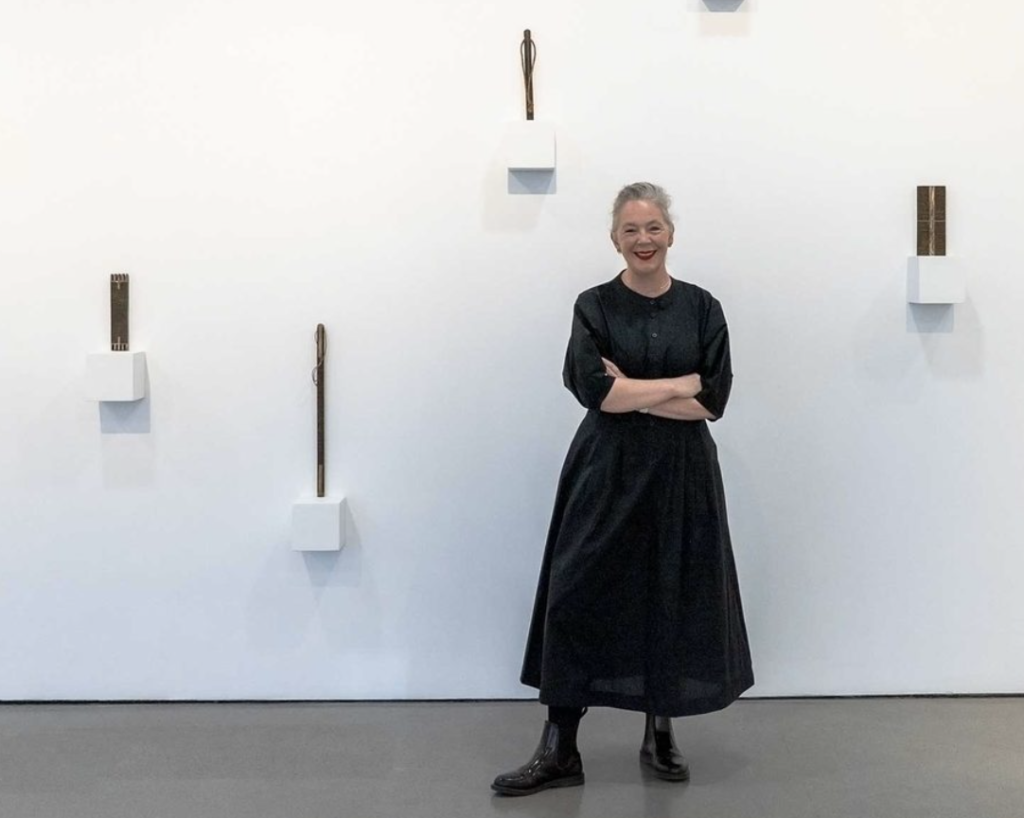
Amanda Geitner studied at the University of Western Australia and began her curatorial career at the Lawrence Wilson Art Gallery, Perth. She was Curator at the Mead Gallery, University of Warwick, from 1995 to 1998, and then Chief Curator at the Sainsbury Centre, University of East Anglia, until 2015. She is a Trustee of the Houghton Art Foundation, the Alfred Cohen Trust and Agora Now. In 2025, Amanda completed a PhD by practice, Roger Ackling: Work and Teaching, with University Arts London and Norwich University of the Arts.
Roger Ackling, together with Richard Long, featured in Sunlight and Gravity, the first exhibition at Groundwork Gallery in 2016. He was an artist who lived in Norfolk and was in his own subtle way closely attuned both to land and sky.
Dr Veronica Sekules
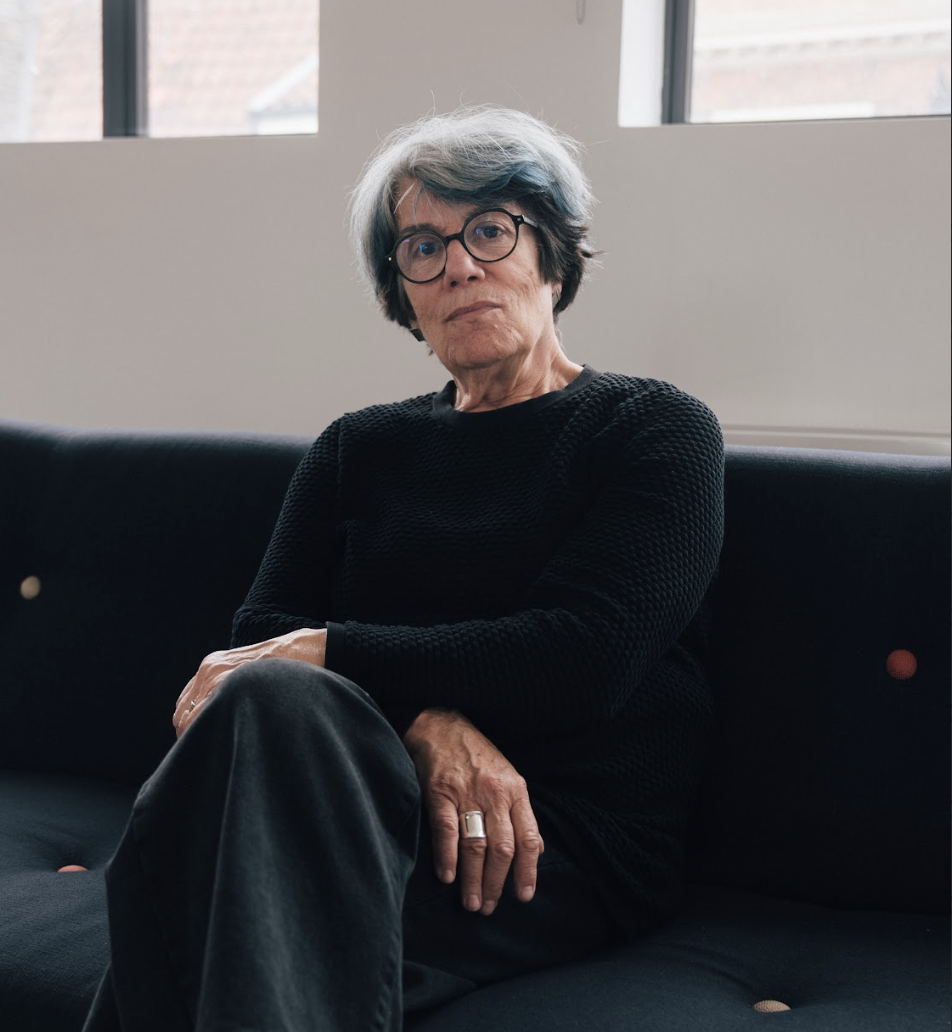
Veronica Sekules is director of GroundWork Gallery and is an art historian, writer, environmentalist. She is author of the Friends of the Earth Cookbook (Penguin 1980), Medieval Art (OUP, 2001) and Cultures of the Countryside, Art, Museum, Heritage, Environment (Routledge, 2015). She is chair of King’s Lynn Cultural Steering Group.
Ben Tufnell
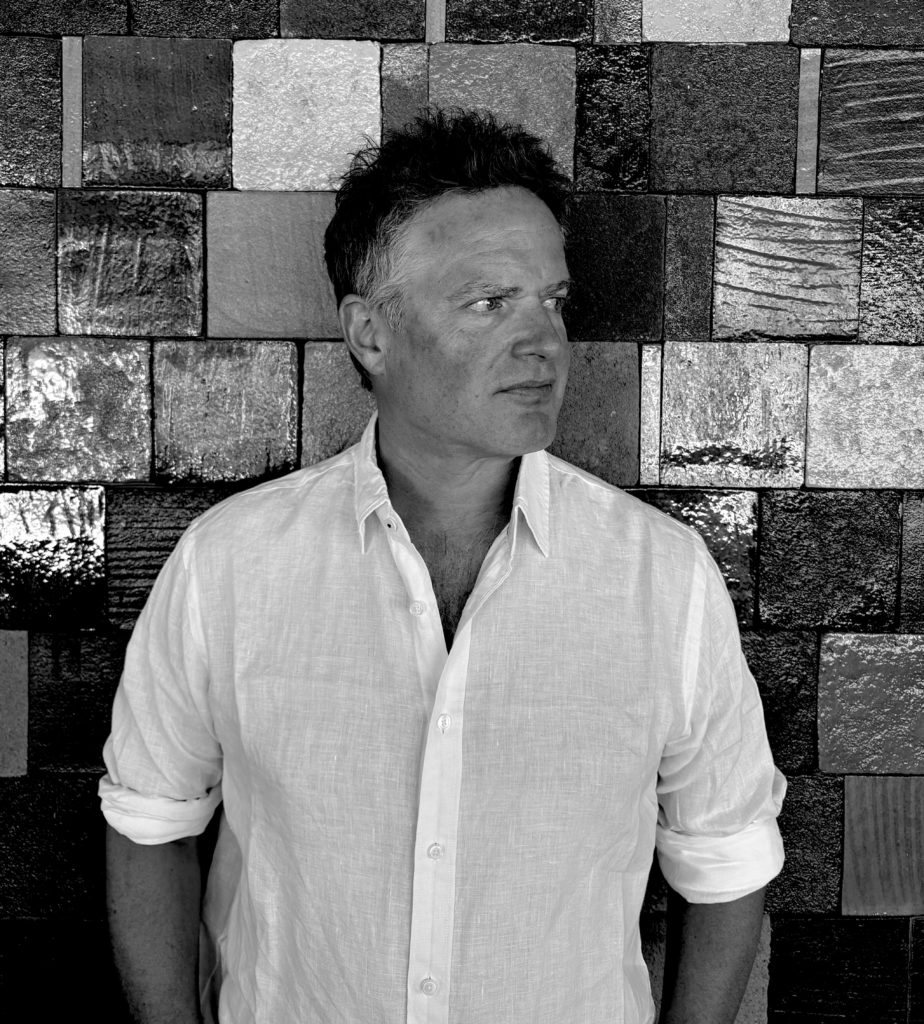
Ben Tufnell is a writer and curator based in London. He grew up on a smallholding in rural North Norfolk before studying English & History of Art at the University of Leicester and completing a Masters in Museology at the University of East Anglia in Norwich. He was a curator at Tate in London from 1996 to 2006, Director of Exhibitions at Haunch of Venison (London, Berlin, Zurich and New York) from 2006 to 2013, and then Director of Parafin, an independent contemporary art gallery in London from 2014 to 2024. He has published widely on modern and contemporary art, in particular on artforms that engage with ideas of landscape and nature. His critical books include Land Art (Tate Publishing, 2006), On The Very Edge Of The Ocean (Tate St Ives Research Series, 2006), and In Land: Writings Around Land Art and Its Legacies (Zero Books, 2019). Selected essays, interviews and curatorial projects are archived at www.bentufnell.com
Since beginning to publish fiction in 2021, his short stories have appeared in Best British Short Stories 2024, Conjunctions, Interzone, The Los Angeles Review and Structo, amongst others. He has been long- or short-listed for prizes including the BBC National Short Story Award, the Sean O’Faolain Short Story Prize, and the Society of Authors’ ALCS Tom-Gallon Trust Award for short fiction.
His debut novel, THE NORTH SHORE, was published by Fleet (Little, Brown) in 2023 and was reviewed in The Guardian, Times Literary Supplement and The New European. The novelist and critic Nina Allan wrote that ‘The North Shore is that rare beast, a work of folk horror that holds its own with the classics whilst exhibiting genuine points of difference.’ Novelist and critic Elvia Wilk called it ‘a beautiful, moving, unexpected novel. Its smoothness and readability bely its depth and complexity, with narratives so seamlessly interwoven that I can’t find the edges.’
His second novel, PARADISE, was published by Influx Press in, 2026.
