
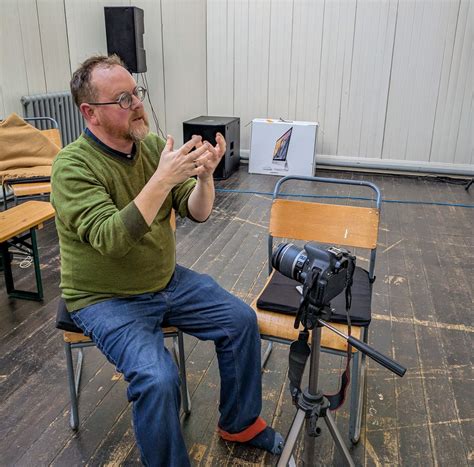
James Murray-White ’s journey as a creative practitioner began with theatre and storytelling. An early mentor for him was Derek Jarman, advising him on a theatre/poetry piece he worked on in Edinburgh in 1991.
‘It was an encounter that introduced me to the possibilities of poetic, visionary filmmaking and art making in the widest sense, long before I picked up a camera.’
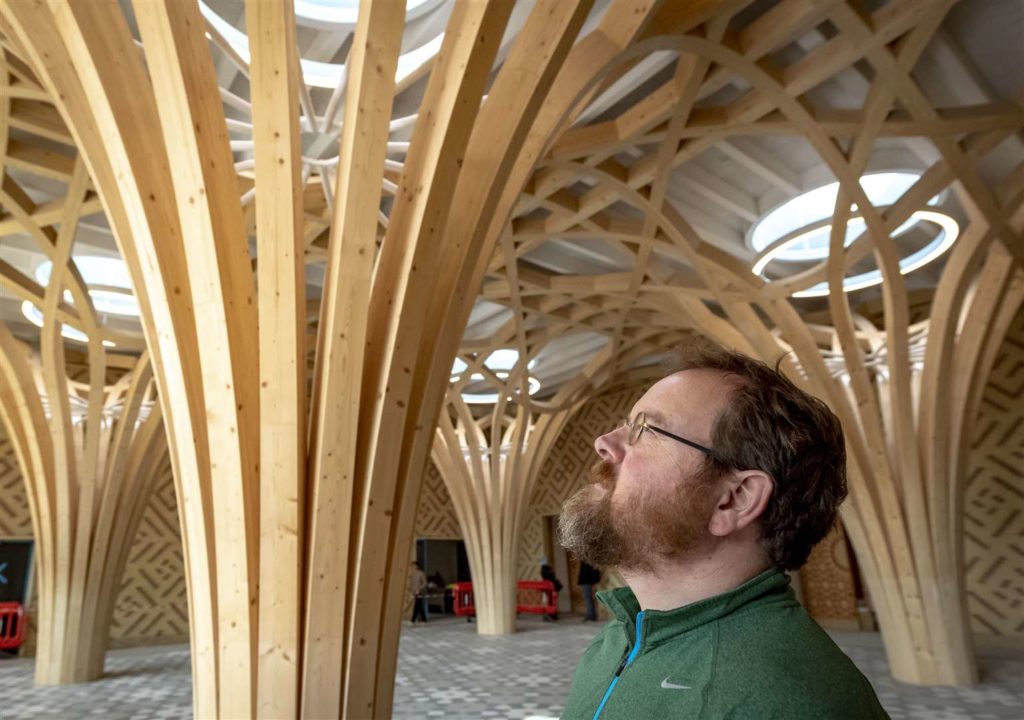
How landscape, culture and belonging interweave
It was five years living and working with Bedouin communities in the Middle East that fundamentally shaped James Murray-White’s understanding of how landscape, culture, and belonging interweave. During that time, working as an environmental journalist and teaching in those communities, James made his first documentary film, Steadfast. It explored sedentarisation, land rights, and the Bedouin relationship with the Negev desert.
‘Those years of sustained engagement taught me that meaningful filmmaking requires deep relationship with place and people—not observation from a distance, but lived experience and genuine collaboration. Once I met members of this unique community, I knew I wanted to help bring their stories out into the wider world, mediated through cameras, computers, and screens.’
Over the past twenty years, James Murray-White’s practice has evolved across documentary and art film. He has always maintained an observational and poetic approach to how humans inhabit and are shaped by landscape.
‘I’ve lived in Ireland, Mongolia, and across the Middle East, as well as different parts of this small Isle; each landscape leaving its mark on how I see and what I seek to explore through film. Growing up in a village in East Anglia, I was formed by flat fenlands and expansive skies. Now, based back in Cambridgeshire, I find myself influenced by these horizontal landscapes while carrying within me a sometime longing for the mountains, wild seas, and particularly the deserts that have become part of my visual and emotional vocabulary.’
Environmental activism intersecting science and creative practice
James Murray-White’s work spans environmental activism, contemplative exploration, and the intersection of science with creative practice. As advisor and researcher on Six Inches of Soil, he contributed to a film that has galvanized worldwide communities around regenerative farming practices and soil health —work that connects directly to the urgent environmental crises we face. The Finding Blake project took a different approach, exploring William Blake’s visionary imagination as a sustaining creative resource for our current age. It wove together spirituality, art, social justice, and ecological awareness through conversations with contemporary thinkers and makers.
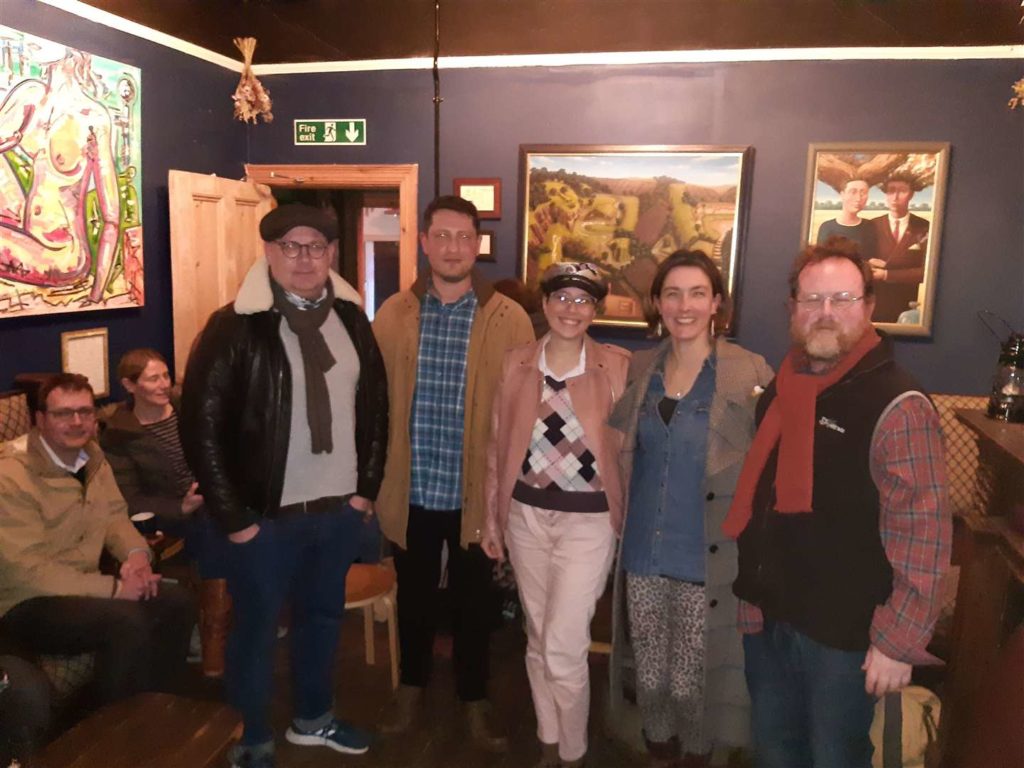
Who controls the land?
‘I’ve made films exploring the life and places of poet John Clare, whose intimate knowledge of the Northamptonshire landscape and its loss speaks powerfully to our current ecological crisis. I’ve also collaborated with poet George Szirtes on work that was shown at the Venice Biennale, demonstrating how film can inhabit contemporary art contexts beyond traditional documentary screenings.
Most recently, I’ve been working on a walk-and-talk documentary with writer Neil Ansell in the Western Highlands, examining land use and access—questions of who belongs on the land, who controls it, and what has been lost or gained through centuries of contested ownership. These questions echo my earliest documentary work with the Bedouin, where issues of land rights, displacement, and belonging first revealed themselves to me not as abstract policy debates but as lived, embodied struggles intimately tied to identity and survival.
Contributing to the work of the Scottish Centre for Geopoetics that explores and deepens this place-based expression, has strengthened my connection to the Islands, Highlands and border lands which feel very ancestral to me, after meeting inspiring Scottish geo-poet and writer/nomad Kenneth White many years ago.
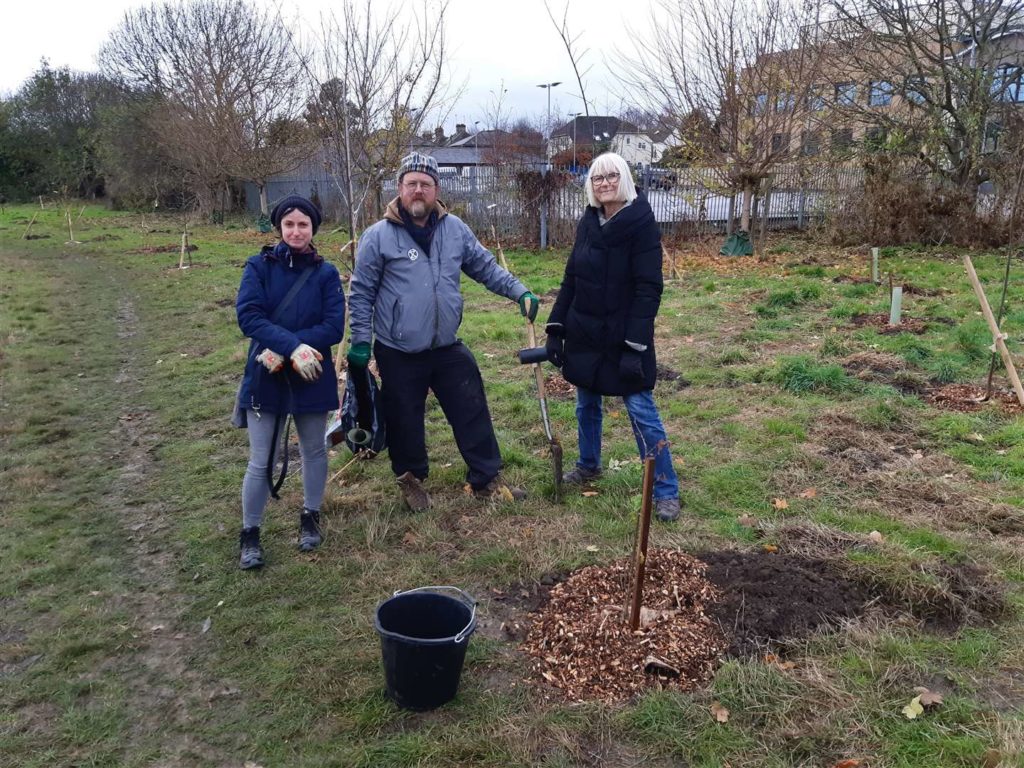
Trees and water
‘During lockdown I led on a campaign that responded to the news that the UK Govt was abandoning that year’s tree planting schedule, which would have consigned a million oak saplings to the bin. A group of us around the land responded and managed to receive, distribute and get planted at least 30,000 trees.
I’m currently the tree warden for my local Parish Council, trying to plant and tend more trees, and I also have a part time job as a warden in a nearby nature reserve, engaging with trees and soil!’
Water has become a central thread in James Murray-White’s practice over recent years. It began with Waterlight, a collaborative film he made with poet Clare Crossman exploring our relationship with rivers and water bodies. This led to Rivers of Light, which he made for the Newmarket Chalk Stream Trust, where he now serves as a trustee. James’ engagement deepened further when he co-founded Water Sensitive Cambridge with 3 others, through which they have run a range of public engagement events. These often weave together film, ritual, and walks as ways of connecting communities with rivers and water bodies, exploring the more-than-human world.
James ran the Rivers of Film Festival in 2025, a lottery-funded initiative as part of the River CamCAN Project, administered by Cambridge Past Present and Future. Through interconnected roles as filmmaker, festival curator, trustee, and co-founder, James discovered that his most meaningful work emerges from sustained, multi-faceted engagement with a subject, building community and creative conversation around the urgency of protecting and understanding our waterways.
Fundamental questions of life, death and sustainability
‘My practice has also flourished through institutional residencies that place creative work in dialogue with other disciplines. As Filmmaker in Residence within the Cambridge University/NHS dementia research network from 2018-19, I used film and creativity to explore brain science, neuro-imaging, and our understanding of human cognition and health. As Senior Culture Producer at Cambridge TV for five years, I made weekly programs about art and culture for broadcast television, developing skills through consistent production and reaching broad audiences.
What draws these diverse projects together in my practice of art is a consistent exploration of several fundamental questions:
How we inhabit the world, how place shapes consciousness? How we relate to the elements that sustain us? and ultimately, How we might live and die more consciously and sustainably?
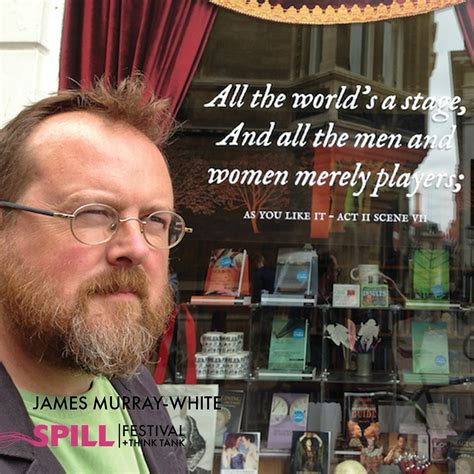
This last theme has become increasingly central to my current work. I’m developing a long-form creative film project on grief, death, and the various old and new forms through which we humans might return our bodies to the elements more sustainably. Following an arts residency this year at SPILL in Ipswich to begin this work, I’m now collaborating with the Cambridge ‘Dying For Life’ group to promote creativity around death and open conversations on this sensitive, often taboo subject. This project sits naturally alongside my soil and water work—it’s all about elements, cycles, and our place within and part of rather than above the natural world.
Looking forward, I’m co-producing a Festival of Soil on a farm in Suffolk this coming June. The festival will explore creative responses to soil through art and music, food, and tactile demonstrations—bringing together artists, farmers, scientists, and communities in celebration of and advocacy for this most fundamental element. This kind of work—creating platforms for interdisciplinary collaboration and public engagement—increasingly feels like where my practice wants to go.
Relationship with GroundWork Gallery
‘As Filmmaker in Residence at GroundWork Gallery, I had the privilege of engaging deeply with the gallery’s mission and community, creating work that responds to GroundWork’s commitment to fostering creative practice around environmental concerns, working with artists as the gallery started, and this wonderful project started taking wings and flight.
James Murray-White ‘s relationship with GroundWork Gallery has been central to this evolution.
‘The gallery’s unique position—bridging visual arts, environmental science, activism, and place-based practice—offers exactly the kind of cross-disciplinary dialogue that strengthens and challenges my work. Becoming a GroundWork NetWork Associate feels like a natural deepening of this relationship. My practice is evolving through connection with others working in similar fields, and I’m increasingly inspired by possibilities for collaboration around all the elements: air, earth, water, soil, including decay.
After two decades of making films across continents and through various institutional contexts, I find myself wanting to root more deeply in community and place. The GroundWork NetWork offers that grounding—a community seriously concerned with the state of the environment, committed to creative practice that shapes attitudes in clearer, more positive, and more powerful ways. The network’s emphasis on bringing different knowledges, skills, and disciplines together resonates strongly with how I’ve always worked: through sustained relationship, deep listening, and collaborative exploration.
I bring to the network twenty years of experience making observational and poetic films about environmental, cultural, and existential themes; a track record of creating platforms and institutions (festivals, organizations, campaigns) that amplify environmental arts; and an established practice spanning activism, contemplation, and scientific collaboration. More importantly, I bring a desire to continue learning, to be challenged by other practitioners, and to contribute to a community working collectively toward a more resilient and imaginative future through the arts.’
Links to Selected Work
Finding Blake
www.findingblake.org.uk
Six Inches of Soil
www.sixinchesofsoil.org
Steadfast (first documentary, on Vimeo)
Search “Steadfast Bedouin” on Vimeo
GroundWork Gallery films (Filmmaker in Residence work)
https://vimeo.com/showcase/4895890
https://vimeo.com/showcase/5199421
Cambridge TV (Senior Culture Producer work)
https://vimeo.com/showcase/4724405
Rivers of Light (Newmarket Chalk Stream Trust)
Available on YouTube
Newmarket Chalk Stream Trust
Trustee role: https://newmarketchalkstreamtrust.co.uk/about-us/
Water Sensitive Cambridge
Co-founder and ongoing work: https://www.watersencam.co.uk
Rivers of Film Festival
Part of River CamCAN Project, 2025: https://cambridgeppf.org/riversoffilm/
SPILL Festival, Ipswich
2025 arts residency exploring death culture: https://www.spillfestival.com/residencies
James Murray-White
January 2026
james@sky-larking.co.uk
