
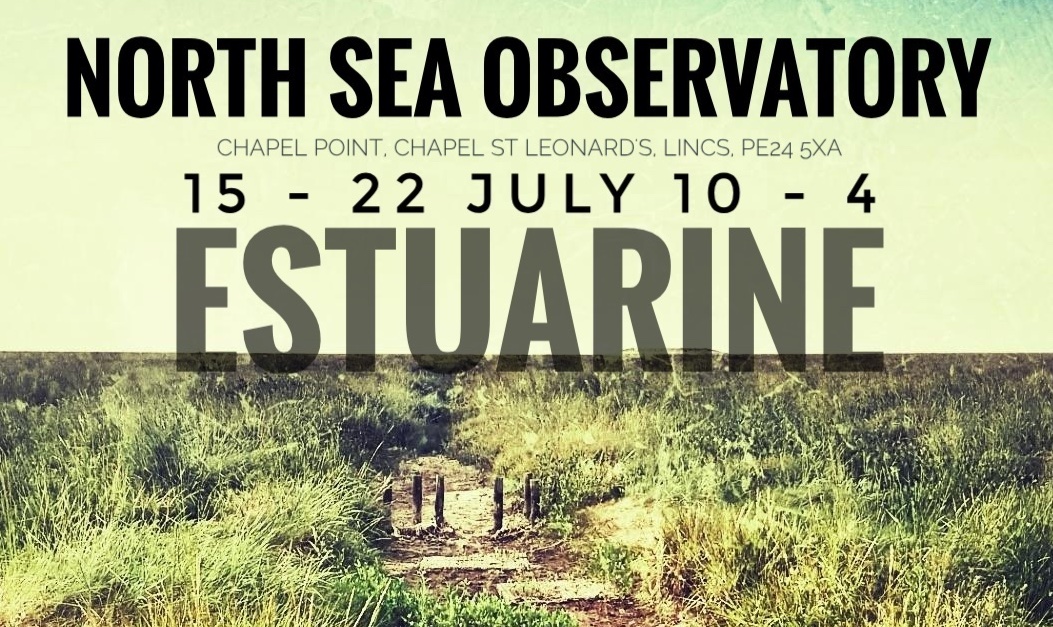
Estuarine an exhibition at the North Sea Observatory, Chapel St Leonards, Lincolnshire. It is part of GroundWork’s extended programme, bringing new work made in and about this landscape to a local public audience.
Estuarine has been developed through GroundWork’s artist residency programme. The artists share the gallery’s ongoing commitment to environment, ecology and coastal communities.
Through print, painting, mud, foraging, sound and analogue film, the exhibition charts The Wash as a living archive of material, sound, time and ecology.
The exhibition
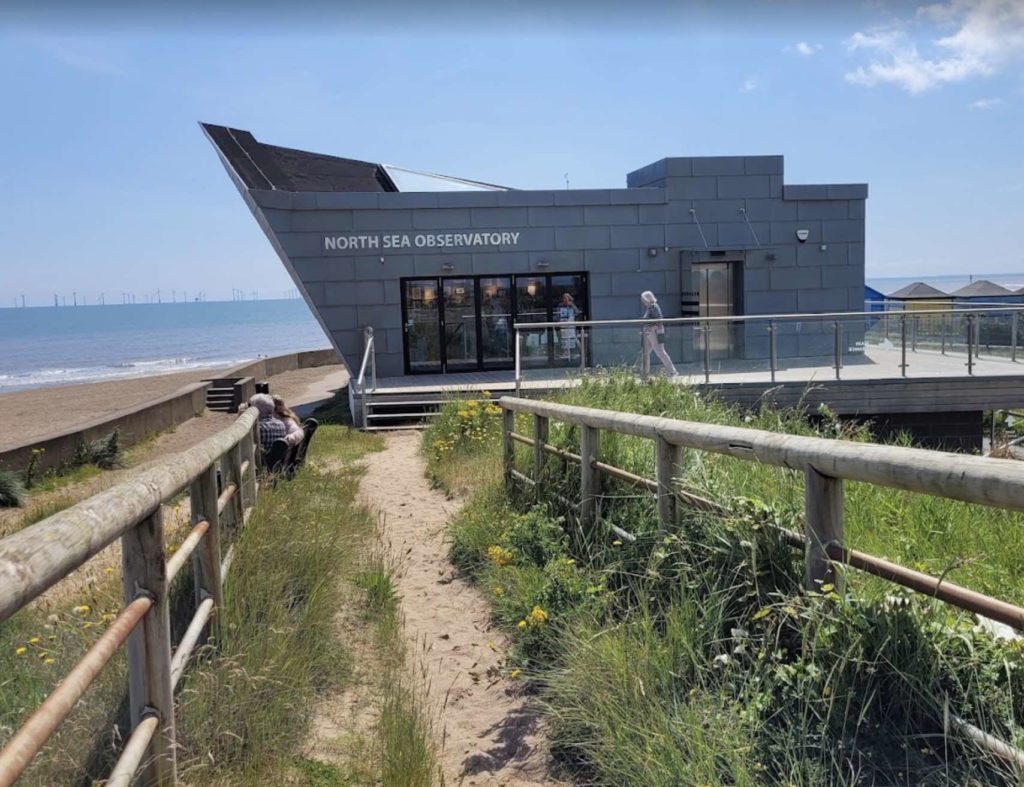
Estuarine is at The North Sea Observatory, Chapel Point, Chapel St Leonards, Lincolnshire, PE24 5XA
Open daily from 15 – 22 July, 10 – 4
Join us on 22 July, 5..30 – 6.30 for the Finissage and talks by the artists
All free admission
North Sea Observaory has a fabulous cafe https://www.visitlincolnshire.com/things-to-do/north-sea-observatory/
The Wash
The Wash is a shifting estuary on the east coast of England.
It is fen, salt marsh, mudflat, salt, chalk, tide and deep time. The Wash is a place that refuses to be land or sea.
Estuarine gathers four artists whose practices meet at that edge. Together they chart The Wash not as landscape, but as living archive.
Caroline Forward
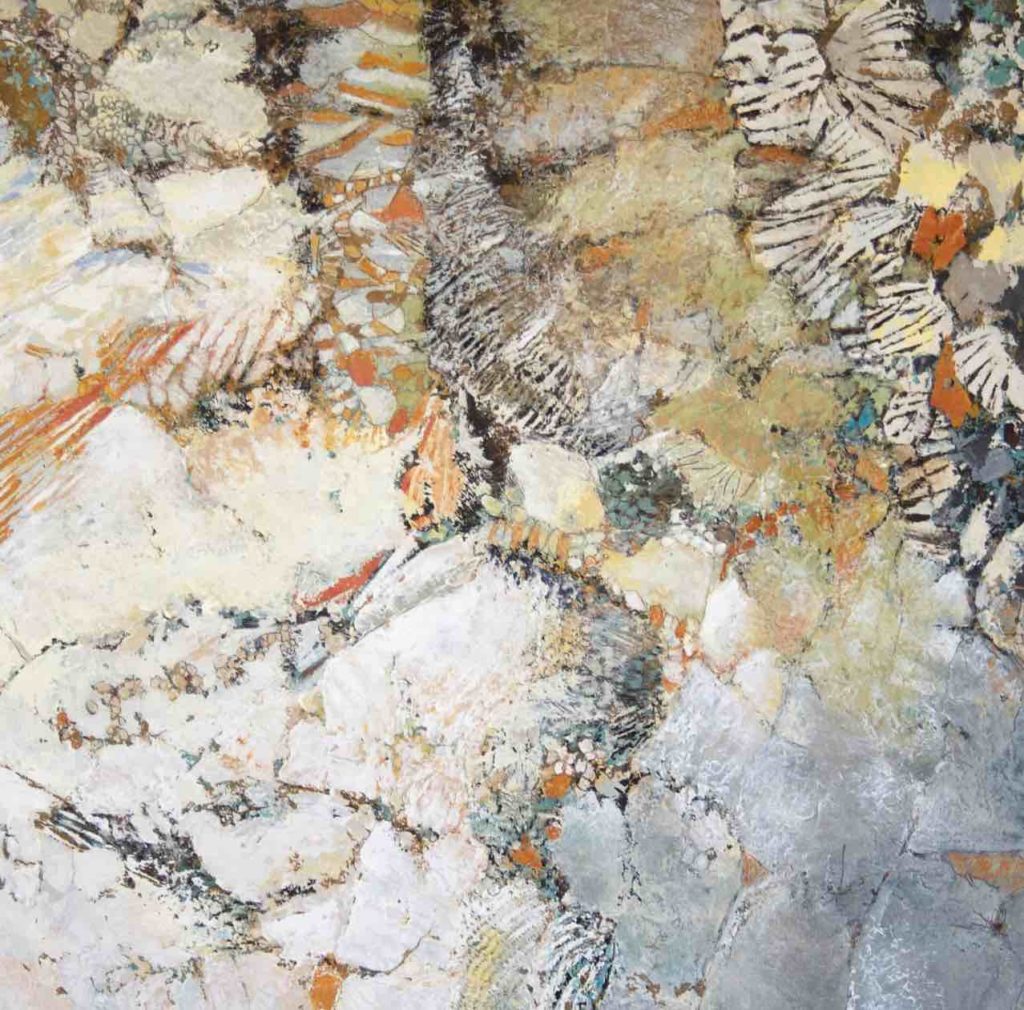
Caroline Forward paints with oil and cold wax, exploring constant change and erosion in a shifting shoreline. Her paintings of shifting, eroding coastal geology, are created with layers of oil and cold wax in a process which hides, reveals, adds and subtracts. They embody a sense of memory and history, holding the passing of tides, seasons, and land loss in the coastal chalk edge at the Hunstanton area of the Wash.
These paintings are a response to her time with Groundwork Gallery’s artist in residency program Fluid Earth in 2025, the experience of which continues to impact and inform her work.
Rebecca Hearle
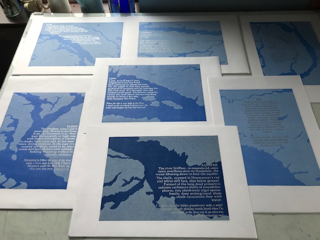
Rebecca Hearle listens in the field to all forms of water, then creates prints that combine with her own experience. l Field observations and tidal text become layered prints: maps of the estuary made through sound, rhythm and language of the North Sea.
Helen Kilbride
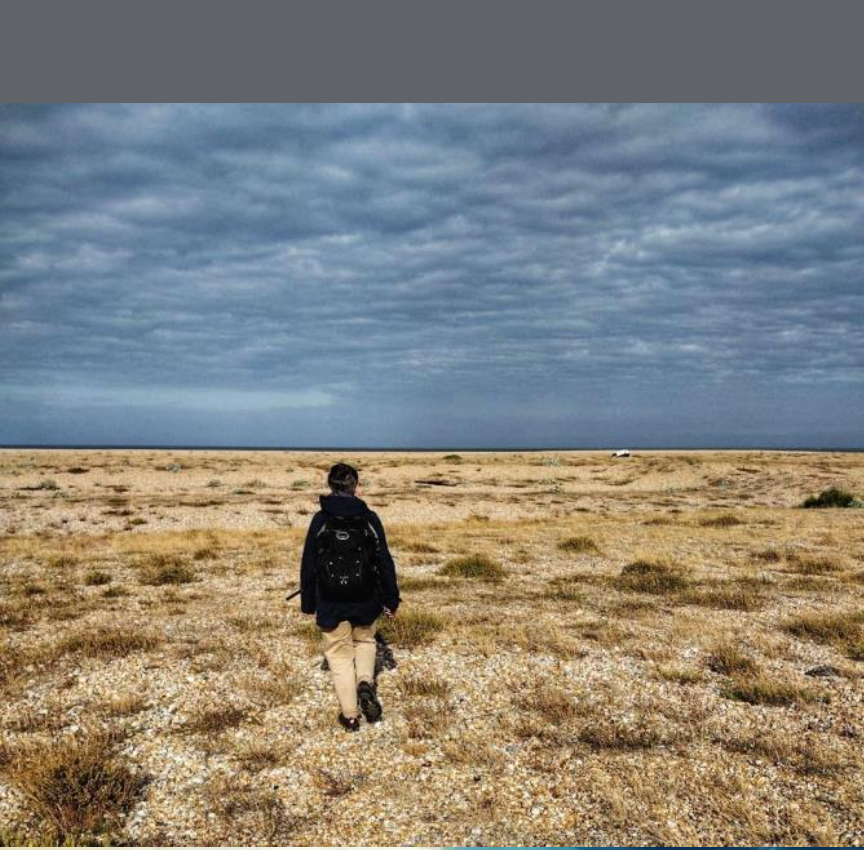
Helen creates queer ecologies of salt marsh and water held on celluloid. Helen is a filmmaker working in analogue film-making techniques with Super 8 film. Centring queer ecology, her films are made on location in the salt marsh . Water, light and celluloid become a record of bodies and habitats that exist outside straight histories.
Liz McGowan
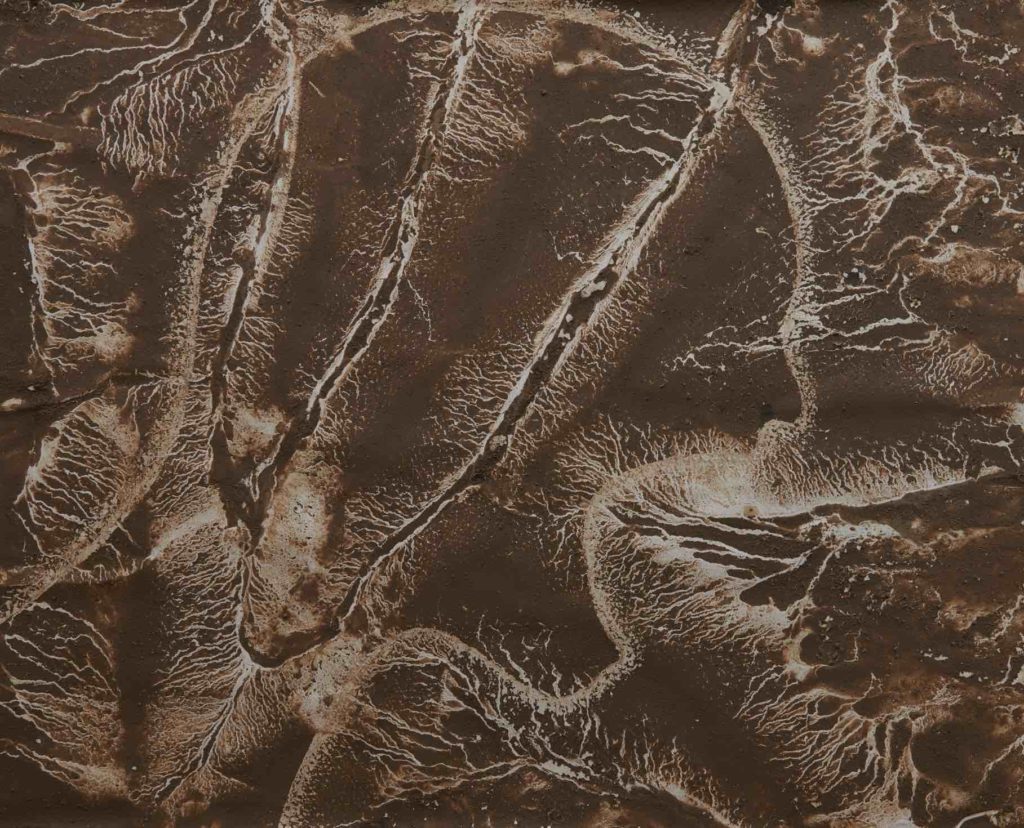
Liz McGowan works with salt marsh mud, slick, liquid, shifting. She is constantly experimental, exploring what the material does, how it moves, and investigating and affecting our relationship with it.
